Advancements in Glaucoma Management: Laser Treatment for Glaucoma
Glaucoma is a chronic eye condition characterized by damage to the optic nerve, often resulting from increased intraocular pressure . It is a leading cause of irreversible vision loss and blindness worldwide. While traditional treatments for glaucoma include medication and surgery, laser treatment has emerged as an effective and minimally invasive option for managing the condition. In this article, we will explore the role of laser treatment in glaucoma management and its benefits for patients.
Understanding Laser Treatment for Glaucoma:
Laser treatment for glaucoma involves the use of a focused beam of light to create specific changes within the eye to reduce intraocular pressure. The two main types of laser treatment used for glaucoma are Selective Laser Trabeculoplasty (SLT) and Laser Peripheral Iridotomy (LPI).
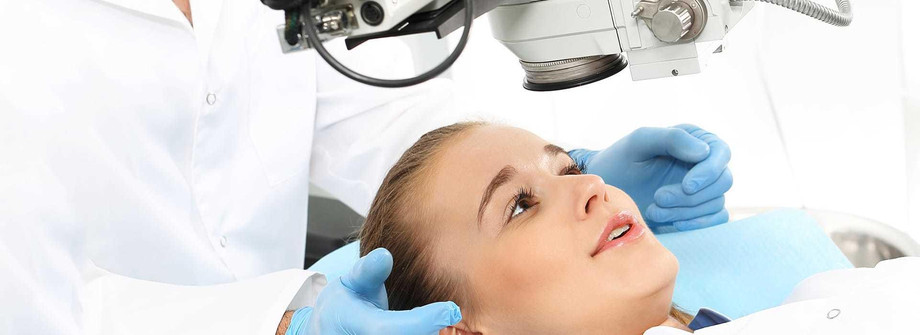
Selective Laser Trabeculoplasty :
SLT is a non-invasive laser procedure that targets the trabecular meshwork, a drainage system in the eye responsible for regulating the flow of aqueous humor. The laser energy is applied to the trabecular meshwork, causing it to improve its outflow function, leading to a reduction in intraocular pressure. SLT is often recommended as an initial treatment option or as an adjunct to medication when eye drops alone are not adequately controlling the intraocular pressure.
Laser Peripheral Iridotomy :
LPI is a laser procedure performed to create a small hole in the iris, allowing better flow of fluid between the anterior and posterior chambers of the eye. It is commonly used in the treatment of angle-closure glaucoma, a condition where the iris blocks the drainage angle, causing a sudden increase in intraocular pressure. By creating a small opening in the iris, LPI helps to equalize the pressure and prevent further damage to the optic nerve.
Benefits of Laser Treatment for Glaucoma:
Laser treatment offers several advantages over traditional glaucoma management techniques:
Minimally Invasive: Laser procedures are typically performed as outpatient procedures and do not require general anesthesia. They involve minimal discomfort and have a low risk of complications.
Quick and Efficient: Laser treatments for glaucoma are relatively quick, typically taking only a few minutes to perform. They provide immediate results and can effectively lower intraocular pressure.
Reduced Dependence on Medications: Laser treatment can help reduce the reliance on glaucoma medications, particularly when eye drops alone are not effectively controlling the intraocular pressure. This can be particularly beneficial for patients who experience side effects or have difficulty adhering to medication regimens.
Repeatability: Laser treatments can be repeated if necessary, allowing for ongoing management and adjustment of intraocular pressure as needed.
Preservation of Vision: By effectively managing intraocular pressure, laser treatment helps to preserve vision and slow down the progression of glaucoma, reducing the risk of vision loss and blindness.
For More Info:-
eye care center in yorktown area

Comments
Post a Comment